text-dda-witness
Context Graph
Text-side DDA witness using 13 frozen embedders, RocksDB storage, and MCP retrieval tools.
- Embedder panel
- N=13
- Structured signals
- up to 91 per input
Systems
Context Graph, ClipCannon, OCR Provenance, and Dynamic / ME-JEPA are witnesses around the same source-grounded posture.
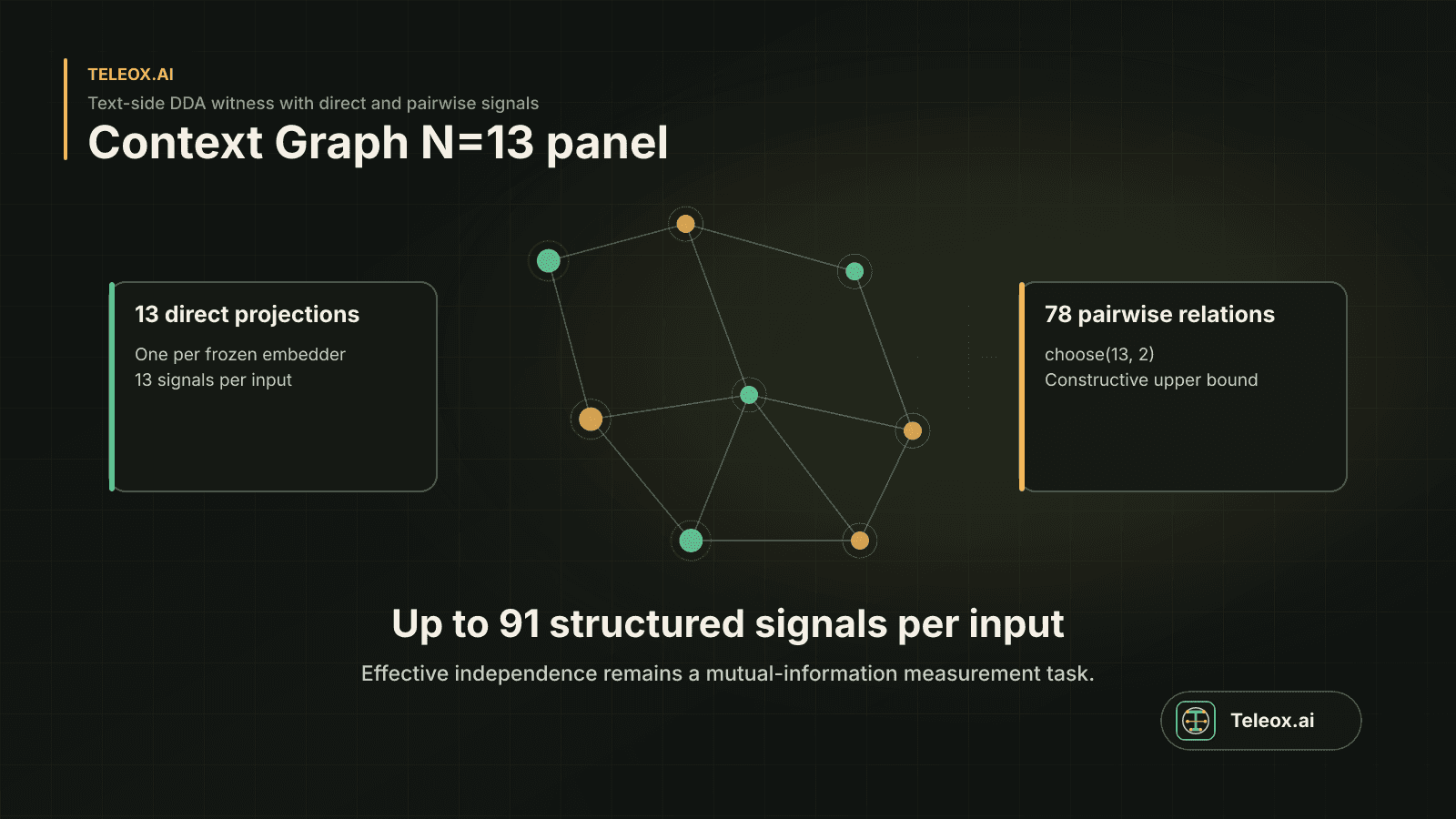
Figure 1.Context Graph is the text-side DDA witness: N=13, up to 91 signals per input as a constructive upper bound.
The figure represents Context Graph as a text-side DDA witness with 13 frozen embedders. The direct projections contribute 13 signals per input and the pairwise interactions contribute up to 78 more, for up to 91 structured signals per input as a constructive upper bound pending mutual-information audit.
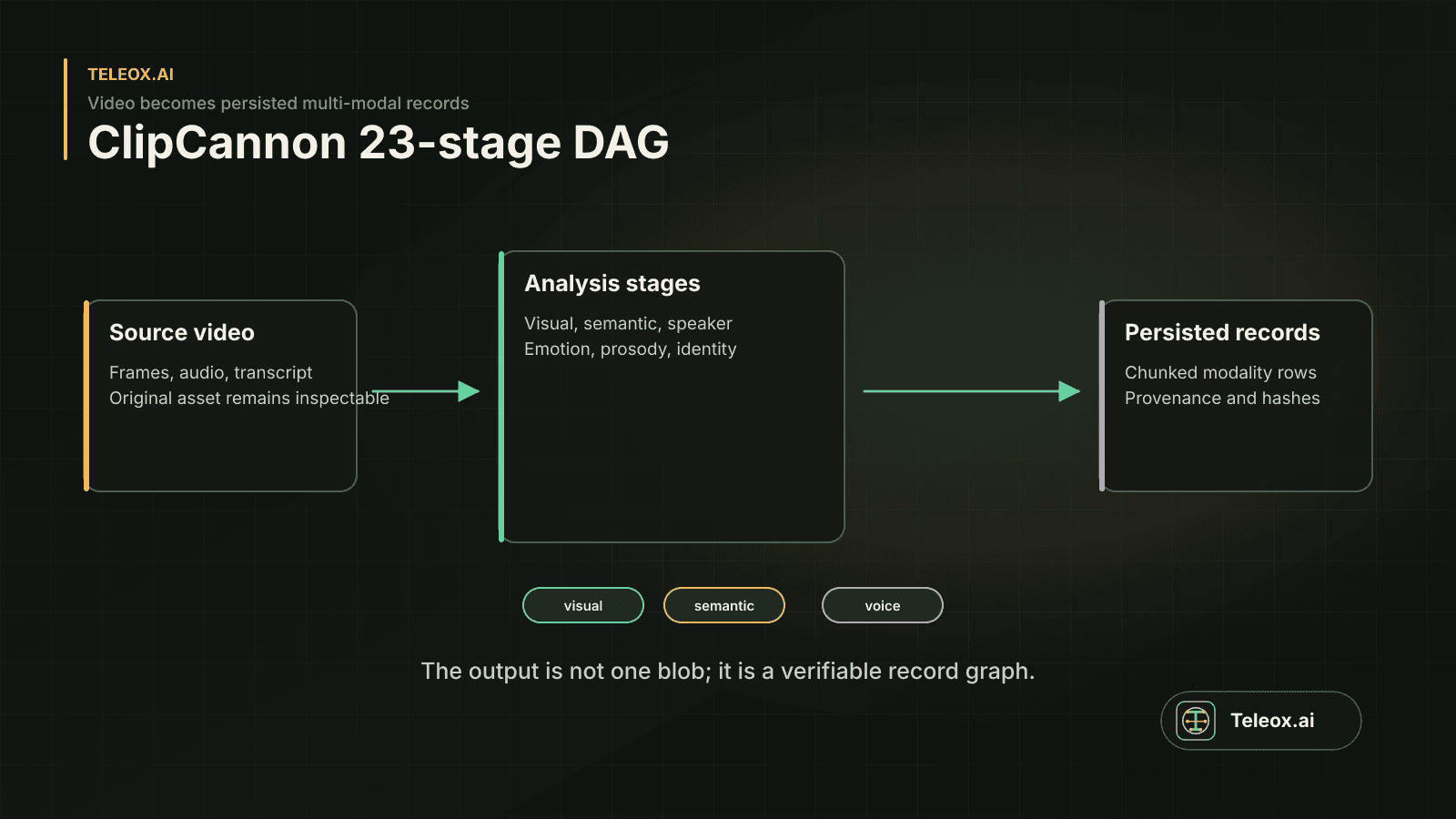
Figure 2.ClipCannon materializes video into multi-modal records through a 23-stage analysis DAG.
The figure shows source video moving through a staged ClipCannon DAG. Analysis stages extract visual, semantic, emotion, speaker, prosody, sentiment, and voice-identity records. The outputs are persisted as multi-modal training and provenance records rather than one unstructured video blob.
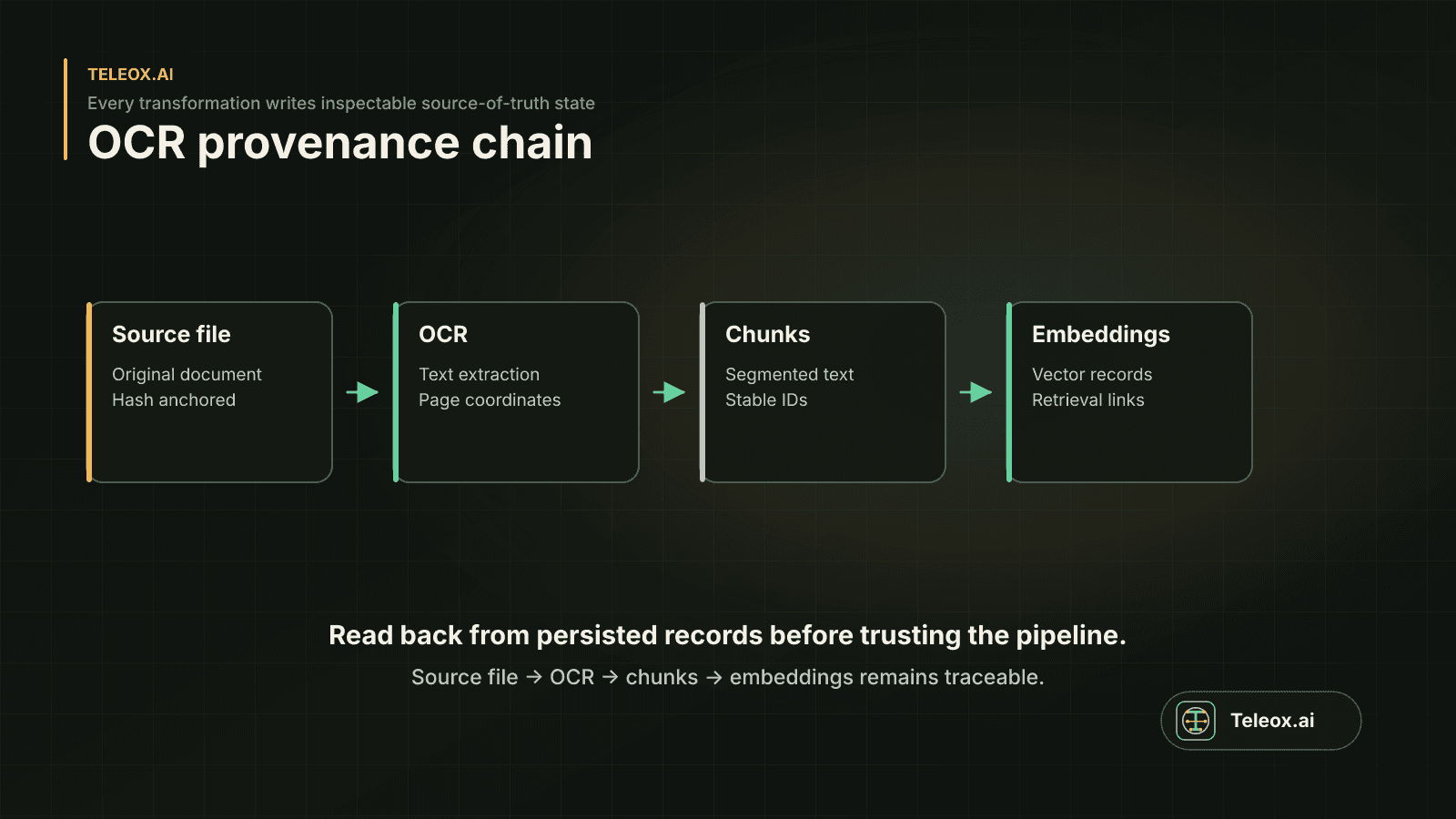
Figure 3.OCR Provenance is the document-side witness for local-first, hash-linked transformation history.
The figure traces a document from source file through OCR, chunking, embedding, and retrieval records. Each transformation writes provenance metadata and hash-linked state, so later consumers can inspect where a derived text segment or embedding came from.
Each system page explains what construct the system witnesses and which limitation travels with that claim.
text-dda-witness
Text-side DDA witness using 13 frozen embedders, RocksDB storage, and MCP retrieval tools.
video-dda-witness
Video-side DDA/TCT witness using a 23-stage DAG, seven modalities, and per-project provenance records.
document-provenance-witness
Document-side provenance witness for local-first OCR, chunking, embeddings, and hash-linked records.
jepa-runtime-witness
Private-preview JEPA-style runtime witness for audited bundles, deterministic artifacts, and Full State Verification.