00:10:32 / zhgD_iL-4Bc
ClipCannon TCT demo
Video-side DDA and TCT demonstration around multi-modal decomposition and identity centroids.
Framework
The guard verifies proximity to the chosen frozen centroid panel. It is a panel-relative geometric check, not preference alignment.
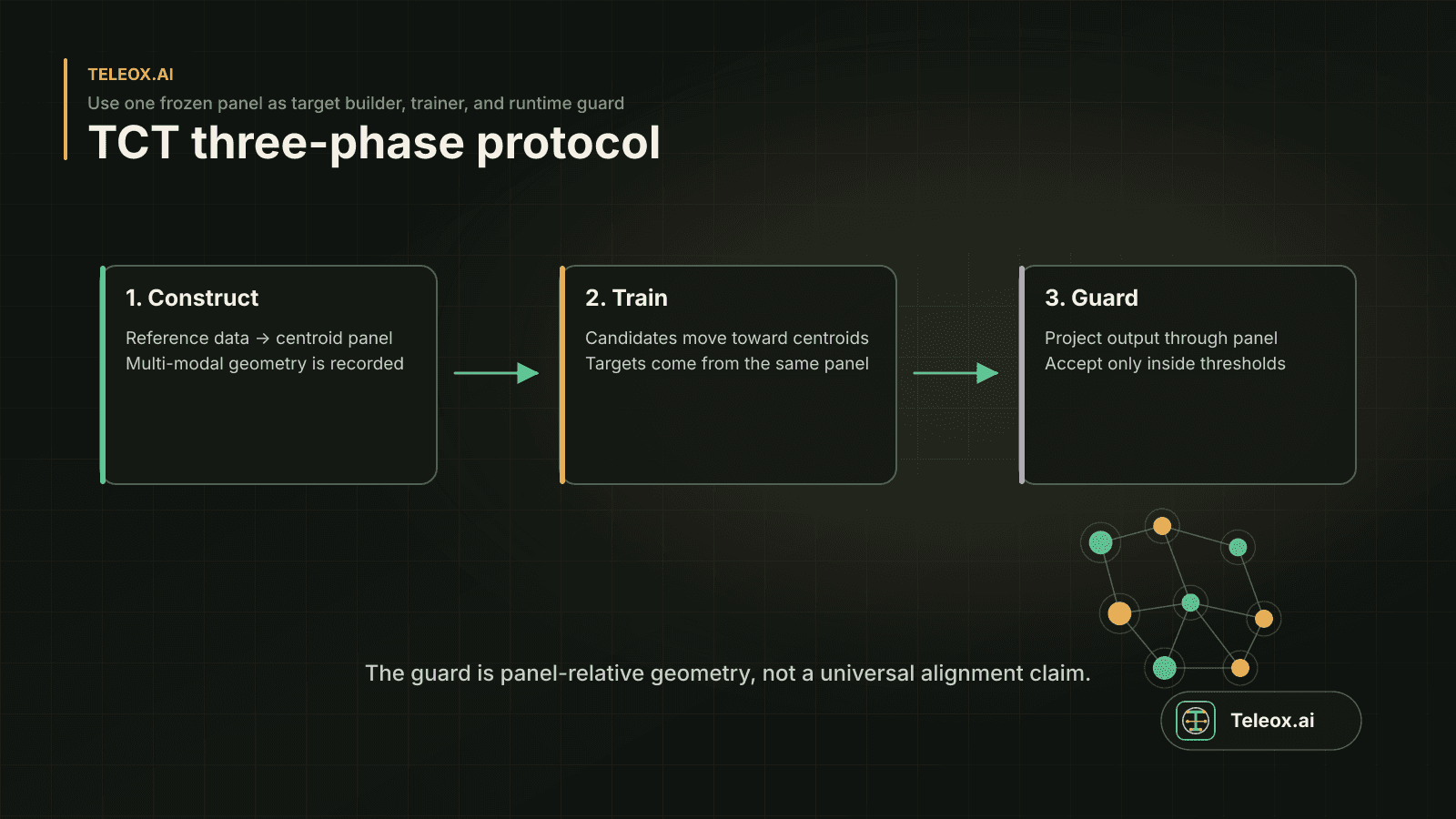
Figure 1.TCT reuses the frozen panel as target construction, training target, and runtime guard.
The figure shows TCT as three phases. Phase 1 constructs frozen multi-modal centroids from reference data. Phase 2 trains generated outputs against those centroid targets. Phase 3 evaluates candidate outputs with a deterministic geometric guard. The guard only verifies proximity to the chosen centroid panel.
Reference observations are projected through frozen modality embedders and summarized into centroids.
The training target is no longer only a token stream. It is a geometric target panel derived from the fixed reference set.
Generated candidates are reprojected through the frozen panel. The guard accepts only candidates whose modality projections remain within configured thresholds of the chosen centroids.
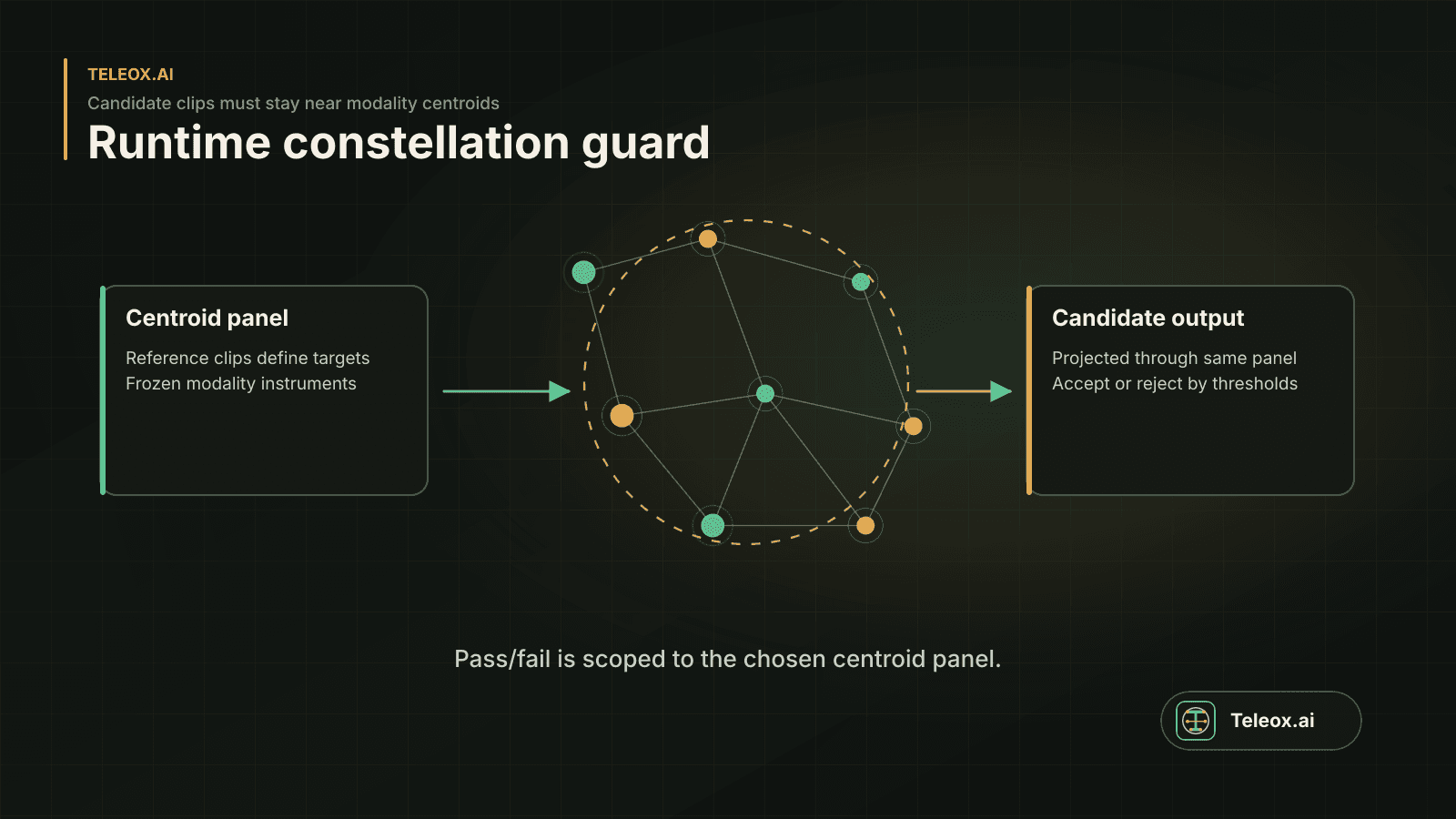
Figure 2.ClipCannon supplies the modality centroids used by TCT-style runtime guard checks.
The diagram shows modality centroids from ClipCannon as a target constellation. Candidate outputs are projected through the same frozen instruments and accepted only when their modality projections remain within configured thresholds. The check is a panel-relative geometric predicate.
The guard does not prove metaphysical identity, universal truth, or preference alignment. It proves a narrower property: panel-relative proximity under the configured geometric predicate.
00:10:32 / zhgD_iL-4Bc
Video-side DDA and TCT demonstration around multi-modal decomposition and identity centroids.
00:09:25 / r4F06Eb-QMs
Public talk-track for geometric guard ideas; the formal site scopes TCT to panel-relative verification.
The formal claim is panel-relative verifiable generation, not a claim that preference alignment is solved.